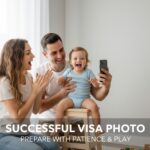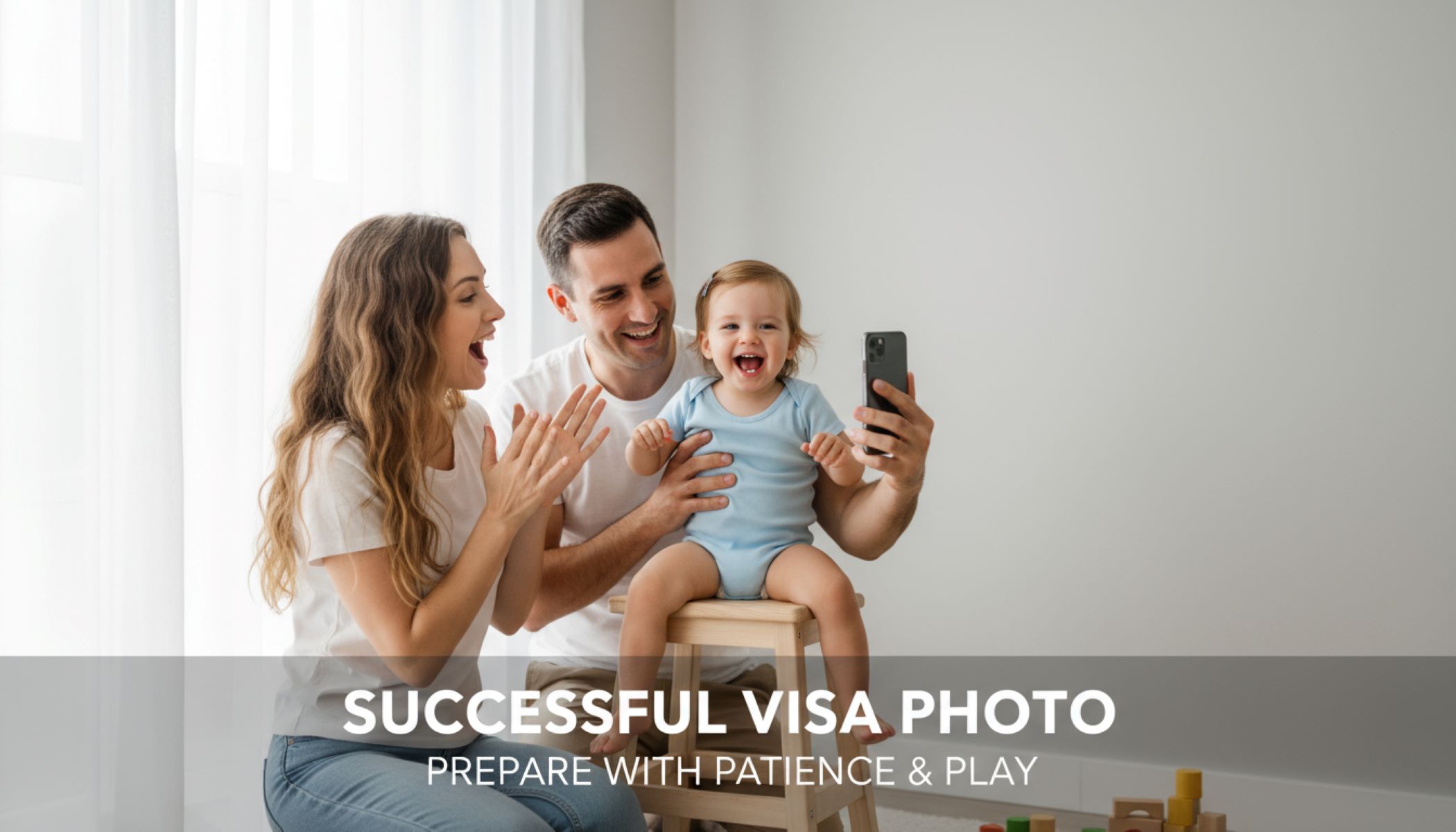
When it comes to applying for a visa, one of the most overlooked yet crucial aspects is the visa photo. Adults may find it tedious, but getting a perfect photo of a child can feel like a mini-adventure—or a tiny battlefield! If you’ve ever tried to get a toddler to sit still, you know exactly what I mean. But don’t worry; with the right preparation, tips, and a little patience, you can make this task much easier.
Why a Perfect Visa Photo Matters
Many parents often underestimate just how important a visa photo can be, thinking of it as a minor, almost decorative part of the application process. In reality, this tiny snapshot carries a lot of weight. Immigration officers rely on photos to quickly and accurately identify travelers, especially children who might not yet have extensive documentation or identification history. Even a slight misalignment in the photo or an unnoticed shadow can raise questions about the child’s identity, potentially slowing down the application process. Unlike casual family photos, a visa photo is scrutinized under strict standards that leave little room for error.
The rules governing visa photos are precise and non-negotiable. The face must be fully visible, without any obstructions such as hair, clothing, or accessories. Shadows or reflections that partially cover facial features can result in the photo being rejected outright. Additionally, the child must be facing the camera directly, with a neutral expression that clearly displays all facial features. This requirement applies even to infants and toddlers, who might naturally want to smile, cry, or look away. The goal is simple: the photo must allow for immediate recognition of the child under standardized conditions.
Failing to meet these requirements can lead to frustrating delays or even outright rejection of the visa application. For busy parents, this can be a huge setback, resulting in rescheduling, additional costs, and extended waiting periods. In many cases, immigration authorities will request a resubmission if the photo does not meet their exact standards, which can delay travel plans by weeks. It’s not just a matter of aesthetics; it’s about compliance, legality, and ensuring the child’s identity can be reliably verified by officials.
Think of it like trying to fit a square peg into a round hole—the tiniest detail can throw everything off. Even minor errors, such as a slight tilt of the head, a shadow across one eye, or a barely noticeable smile, can prevent a photo from being accepted. This is why meticulous preparation, patience, and careful attention to every detail are crucial when taking a visa photo for a child. A perfect photo streamlines the application process, avoids unnecessary complications, and gives parents peace of mind that their child’s identification is secure and compliant with official requirements.
Visa Photo Requirements for Children
When preparing a visa photo for a child, it’s essential to know that the rules are strict and must be followed to the letter. Many parents assume that a simple snapshot will do, but authorities are highly meticulous about the details. Below is a detailed list of requirements that you should carefully review before attempting to take the photo:
- The background must be plain, ideally white or off-white, without any patterns, textures, or objects that could distract from the child’s face. A consistent background ensures that facial features are clearly distinguishable and prevents automatic rejection.
- The photo size is generally standardized, with most countries requiring a 2×2 inch (51x51mm) image. Some countries may allow slightly different dimensions, so always confirm the official specification before printing or uploading the image.
- The child’s face must be fully visible in the frame, including the forehead, eyes, nose, cheeks, and chin. Partial visibility, shadows, or obstructions such as hair or accessories are strictly prohibited.
- Eyes must be open and clearly visible at all times. Even infants should have their eyes open, as closed eyes can lead to rejection of the photo.
- The child’s expression must be neutral. Smiling, frowning, crying, or exaggerated facial expressions are not permitted. A neutral expression ensures that the photo can be used for accurate identification.
- The child must be looking directly at the camera, with the head straight and centered. Tilting or turning the head, even slightly, can render the photo non-compliant.
- There should be no shadows on the face or background. Shadows can obscure facial features and interfere with biometric scanning or recognition processes.
- No toys, pacifiers, hands, or other objects should appear in the frame. Any additional elements can distract from the child’s facial features and may lead to rejection.
- Clothing should be simple and solid-colored, avoiding uniforms, patterns, or accessories that could blend with the background. Bright or flashy colors that reflect onto the child’s face should also be avoided.
- Glasses, head coverings, or hats are generally not allowed unless they are worn for religious reasons. Even in those cases, the face must remain fully visible from the bottom of the chin to the top of the forehead.
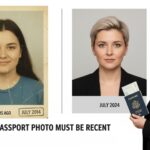
- The photo must be recent, usually taken within the last six months, to ensure it accurately represents the child’s current appearance. Outdated photos are a common reason for visa rejection.
- The image must be of high resolution and properly focused, with no pixelation, blurring, or overexposure. Poor image quality can prevent officials from accurately identifying the child.
- Digital photos should meet the country’s specifications regarding file format, size, and compression. Some countries require printed photos, while others accept digital submissions.
- Always check the official guidelines of the destination country. Even minor deviations from the specified requirements—such as slightly off-center eyes or an uneven background—can result in delays or rejection.
Challenges in Taking a Child’s Visa Photo
| Challenge | Description | Why It Happens | Potential Consequences | Tips to Overcome |
| Fidgeting | Children often cannot stay still long enough for a proper photo. | Young kids have high energy levels and limited attention spans. | Blurry photos, misaligned face, or non-compliant head position. | Use short sessions, take multiple shots quickly, and engage the child with games or songs. |
| Facial Expressions | Achieving a neutral expression is difficult. | Toddlers naturally smile, laugh, cry, or make funny faces. | Non-neutral expressions can lead to photo rejection by authorities. | Practice at home, use calm voices, and take photos when the child is relaxed or distracted momentarily. |
| Lighting Issues | Shadows or uneven lighting can ruin a photo. | Poor room lighting, direct sunlight, or reflections from surfaces. | Obscured facial features, squinting, or photo rejection due to non-compliance. | Use natural, soft lighting, position the child near a window, and avoid overhead lamps or direct sunlight. |
| Fear of the Camera | Some children are scared of the camera or unfamiliar people. | The camera can appear intimidating, and strangers may cause anxiety. | Crying, turning away, or refusing to cooperate, making it impossible to capture a compliant photo. | Let the child get familiar with the camera beforehand, use toys or mirrors to draw attention, and have a parent close by for reassurance. |
| Head Positioning | Keeping the head straight and centered can be tricky. | Kids tend to tilt or turn their heads spontaneously. | Misaligned photos may not meet the strict requirements, leading to rejection. | Use chairs, cushions, or parent support to stabilize the head, and take multiple shots to increase chances of proper alignment. |
Step-by-Step Preparation Guide
Taking a successful visa photo of a child requires careful planning, and it all starts with timing. Choosing the right moment can make the difference between a smooth session and a stressful ordeal. Ideally, the photo should be taken when the child is well-rested, fed, and in a good mood. This usually means scheduling the session after a nap or a snack. Avoid attempting photos during times when the child is cranky, tired, or fussy, as this will almost certainly lead to tears, squirming, or non-cooperative behavior. Parents who plan ahead and align the photo session with the child’s natural rhythms often achieve the best results.
Next, consider what your child wears. Clothing plays a bigger role than many parents realize. Solid colors that contrast with the background work best, while busy patterns, logos, or hats can interfere with the clarity of the photo and facial recognition. Choosing simple, comfortable outfits allows your child to sit still without distraction. Light layers are preferable because children can become uncomfortable or restless if their clothing is too tight or heavy. In addition, coordinating colors with the plain background can help the child’s face stand out, which is exactly what visa authorities are looking for.
Practice at home before the official photo session can save a lot of frustration. Using a smartphone camera to mimic the visa photo setup allows the child to become familiar with the lens, which reduces fear or anxiety on the actual day. Turn the practice into a fun game, such as “let’s play statue,” to encourage the child to stay still and face forward. Parents can also experiment with angles, lighting, and positioning at home, so they have a clear understanding of what works best. Multiple practice shots give a realistic sense of what to expect, helping both the child and parent feel more confident.
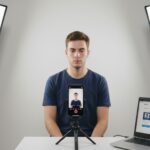
Finally, pay close attention to lighting and background. Natural lighting is ideal, as it softens shadows and provides a clear view of the child’s face. Positioning the child near a window with diffused light can prevent harsh shadows or glare, which often ruin a photo. The background should be plain, light-colored, and free of clutter to ensure full visibility of the face. Whether your child is sitting or standing, make sure nothing in the frame distracts from their features. With careful planning, attention to detail, and a bit of patience, parents can achieve a compliant, high-quality visa photo that meets official requirements on the first try.
Techniques to Get a Neutral Expression
Getting a neutral expression from a child for a visa photo can be one of the most challenging parts of the process, but with patience and strategy, it’s achievable. Here’s a detailed list of techniques parents can use:
- Sing a calm and soothing song to relax the child and reduce fidgeting. Gentle melodies or familiar tunes can make the child feel comfortable and at ease.
- Engage the child with a game, such as making funny faces or noises behind the camera, and then snap the photo when they naturally pause or look forward.
- Wait for moments when the child naturally stops moving or focusing on something else, and quickly capture the photo to avoid forced expressions.
- Practice at home with a smartphone camera so the child becomes familiar with the lens, helping them relax during the actual session.
- For infants, lay them on a plain white sheet or light-colored background on the floor to keep their head stable and the focus on their face.
- Use a parent’s hands just outside the frame to gently stabilize the infant’s head or body, preventing tilting or leaning that can disrupt the photo.
- Take multiple shots to increase the likelihood of capturing a neutral expression, as infants and toddlers rarely stay still for a single perfect frame.
- Maintain eye-level positioning with the child to ensure a straight-on, direct gaze, which helps achieve a natural and compliant expression.
- Keep the atmosphere light and stress-free; a calm parent will help the child remain calm, which naturally encourages neutral facial expressions.
- Avoid over-correcting or forcing the child into position, as pressure can lead to crying, fidgeting, or unnatural expressions.
- Use distractions like soft toys, mirrors, or a parent’s voice to focus attention toward the camera while allowing the child to remain relaxed.
- Capture photos in short bursts rather than trying to hold a single pose for too long, which reduces frustration and increases chances of success.
- Ensure the child is well-fed, rested, and comfortable before the photo session, as hunger or fatigue often leads to fussiness and non-neutral expressions.
- Be patient and flexible; sometimes the perfect moment comes unexpectedly, so having the camera ready at all times increases success.
Tools and Props You Can Use
| Tool/Prop | Purpose | Why It Helps | Potential Issues | Tips for Use |
| Stuffed Animals | To attract the child’s attention | Children naturally focus on familiar and comforting objects | Risk of leaving the toy in the frame if not careful | Hold or place the stuffed animal just outside the frame and use it to direct their gaze toward the camera |
| Mirrors | To capture curiosity and maintain attention | Babies and toddlers often respond to their own reflection | Reflection may show in the photo if improperly positioned | Position the mirror behind or beside the camera so the child looks at it without it appearing in the shot |
| Chairs | To safely support toddlers or young children | Provides stability and prevents slouching or falling | Can be distracting if not neutral in color or shape | Use plain, light-colored chairs that blend with the background and avoid patterns or bright colors |
| Cushions | To stabilize infants or small children | Helps keep the child upright and reduces head tilting | Cushion can obscure part of the child’s body or face | Place cushions under the child or behind them, outside the camera frame, ensuring the head is fully visible |
| Parent’s Hands | To reassure or stabilize infants | Provides comfort and security, reducing fussiness | Hands may accidentally enter the frame | Keep hands just outside the frame and use them only to gently support head or body, then remove for the final shot |
DIY vs Professional Studio
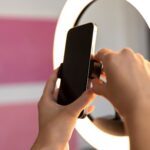
Taking a visa photo at home can be a very convenient option for parents. Doing it yourself allows you to control the environment, timing, and the pace of the session. It’s also generally cheaper than booking a professional studio, especially if multiple attempts are required. Parents can take as many shots as needed without worrying about additional costs, which is particularly helpful when dealing with toddlers or infants who rarely sit still. With the right preparation, a home setup can produce photos that fully comply with visa requirements.
However, DIY photography comes with its own challenges. Achieving the correct lighting, background, and positioning requires careful planning and some technical know-how. Parents need to ensure the photo is evenly lit, shadows are minimized, and the child’s head and face are perfectly centered. Maintaining these standards can be difficult, especially if the child is fidgety or uncooperative. A shaky hand or inconsistent lighting can result in blurry or rejected photos, which can cause delays in the visa application process.
Professional studios offer a different set of advantages that can simplify the process. Experienced photographers understand the strict requirements for visa photos and know how to capture the child’s face in the correct position, expression, and lighting. They provide a controlled environment that reduces the risk of errors and guarantees compliance with official specifications. Additionally, studios often have props, lighting equipment, and backdrops specifically designed for children, which can make the session smoother and faster.
On the downside, professional studios can be costly and require scheduling in advance, which might not be convenient for all parents. The studio environment may also stress the child, especially if they are shy or unfamiliar with strangers. A practical approach many parents take is to practice at home first, familiarizing the child with the camera and poses, and then visit a professional studio for the final photo. This combination ensures a high-quality, compliant visa photo while reducing stress and maximizing the chances of success on the first attempt.